Zenith Flow serves as an editorial perspective on global movement, focusing specifically on how different regions connect through their unique landscapes and transit corridors. We analyze the natural transitions between bustling cityscapes and the quietude of rural environments, documenting the sensory shifts that occur when travelers move across borders. Our approach is purely informational, aiming to provide a clear understanding of regional connectivity without the pressure of commercial imperatives.
The routes described within our archives represent a cross-section of geographic diversity, from the volcanic peaks of island nations to the expansive plains of Central Europe. By detailing the terrain, climate variability, and infrastructure of these connections, we help observers appreciate the logistical and natural flow that defines modern travel. Our observations are rooted in the belief that the journey itself is a series of interconnected regional chapters rather than just a sequence of isolated points.
Central European Plain
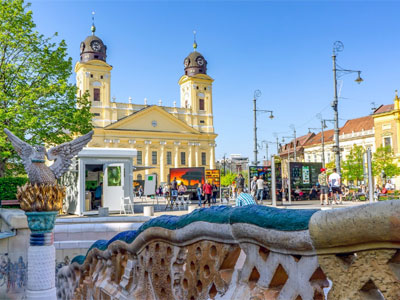
The journey into Debrecen begins with the sweeping expanse of the Great Hungarian Plain, where the horizon stretches indefinitely. Travelers moving through this region observe a transition from ancient architectural landmarks to the rustic charm of the Hortobágy National Park. The route is characterized by a flat, grassy steppe terrain that influences the local climate and agricultural rhythm. As one moves further from the urban core, the atmosphere shifts toward a quiet, traditional environment where historical connections to the land remain visible. This pathway provides a distinct look at how the Puszta region integrates with modern Hungarian life while maintaining its vast, open character.
Send Enquiry

Great Lakes Corridor
Traveling through Grand Rapids reveals a fascinating intersection between industrial history and natural preservation. The route typically follows the flow of the Grand River, which serves as a central artery for the city's development. As observers move away from the metropolitan art districts, the terrain shifts into dense forest groves and eventually toward the massive freshwater dunes of Lake Michigan. This environmental transition highlights the contrast between structured urban planning and the rugged, unpredictable beauty of the lakeshore. The region experiences significant seasonal variability, which alters the visual flow of the journey from lush green summers to the stark, frozen landscapes of winter, reflecting a dynamic North American ecosystem.
Request Details
Northeastern Coast
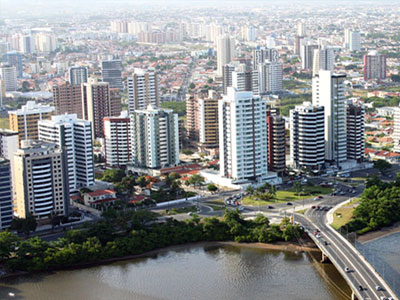
The transit through Aracaju is defined by the unique meeting of salt and fresh waters. This route moves travelers along the Sergipe River, passing through extensive mangrove systems that act as a natural buffer between the city and the Atlantic Ocean. The landscape is characterized by its flatness and the presence of numerous estuaries that dictate the local infrastructure. As the journey progresses toward the Orla de Atalaia, the air becomes heavier with sea salt, and the vegetation adapts to the sandy coastal soil. Observations here focus on the seamless blend of modern beachfront connectivity and the preserved wetlands that surround the urban perimeter, showcasing a tropical region shaped by its watery boundaries.
Ask About Trip
Heart of the Basin
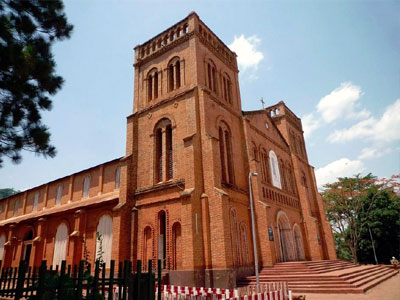
Movement through Bangui is inextricably linked to the Ubangi River, which provides a vital connection to the surrounding rainforest regions. The journey starts within the administrative pulse of the capital, where the terrain is dominated by red clay earth and low-lying hills. Following the river's path, travelers witness a transition into dense, equatorial vegetation that characterizes the Congo Basin's edge. The humidity increases significantly as the route moves deeper into the forested interior, where the pace of life slows in accordance with the river's current. This route exemplifies a traditional river-based connectivity that has sustained the region's flow for centuries, bridging the gap between urban centers and remote wilderness areas.
Enquire Now
Polynesian Circuit
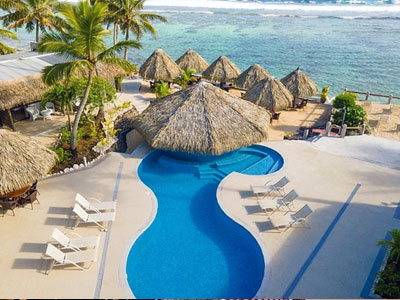
The flow of travel in Avarua follows the circular logic of Rarotonga, where a single road connects the entire island perimeter. The journey begins in the bustling small-scale administrative center and moves through various coastal villages. To one side, the jagged, volcanic peaks of the interior create a dramatic vertical backdrop, while the other side opens to the turquoise coral lagoons. Travelers observe a shift from the shaded, fern-heavy inland paths to the bright, sun-drenched reef edges. The environment is remarkably self-contained, offering a unique perspective on how a small geographic footprint manages the movement of people and resources between the deep ocean and the high, forested mountains of the island's core.
Send Enquiry
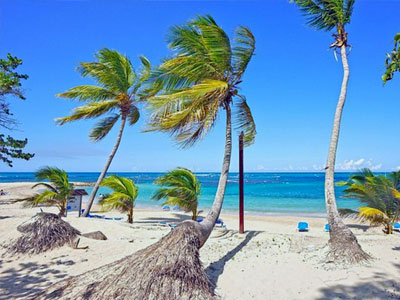
Caribbean Gateway
Navigating Puerto Barrios involves a transition from the busy maritime atmosphere of the Caribbean coast to the lush, humid lowlands of the Izabal department. The route is defined by its proximity to the Amatique Bay, where the scent of the sea mixes with the damp earth of the tropical jungle. As one moves inland, the landscape becomes increasingly dominated by banana plantations and wetlands that thrive in the region's high rainfall. The transition from the steel infrastructure of the shipping ports to the organic, overgrown paths of the nearby biosphere reserves is striking. This journey highlights the role of Puerto Barrios as a critical hinge between the global trade routes of the Atlantic and the biological richness of Guatemala's interior.
Request DetailsOur editors focus on the physical and atmospheric changes that occur during transit. We look at terrain, climate shifts, and how urban infrastructures give way to natural landscapes. This informational approach helps travelers understand the geographic context of their journeys before they embark.
The durations provided are estimates based on standard regional transit patterns. Actual travel time can vary significantly depending on seasonal weather conditions, local infrastructure maintenance, and the specific mode of transport chosen for the journey.
We prioritize environmental and regional descriptions over commercial activities. Our goal is to paint a picture of the scenery, the changes in humidity or altitude, and the natural flow of the land. This provides a more grounded, editorial perspective on global travel.
We review regional connectivity data periodically to ensure our descriptions remain accurate. As environments change due to development or natural shifts, we update our archives to reflect the most current state of the travel flow in those specific destinations.
Zenith Flow is committed to protecting the privacy of our visitors while they explore our informational travel archives. This policy outlines how we handle the minimal data collected through our website and our dedication to maintaining a transparent relationship with our readers. We believe that privacy is a fundamental right in the digital space, especially for those seeking editorial content.
We only collect information that is voluntarily provided through our contact and enquiry forms. This typically includes a name, email address, and the content of the message. We do not use automated scripts to harvest personal data from your device or browsing history, ensuring that your visit to our travel guides remains private and secure.
The data collected is used solely for the purpose of responding to direct inquiries or providing requested details about regional routes. We use your email address to facilitate a one-to-one communication channel. Your information helps us improve our editorial descriptions by understanding which regions pique the most interest among our global audience.
We implement standard security measures to protect against unauthorized access or alteration of the data we hold. While no online transmission is entirely immune to risk, we utilize encryption and secure hosting environments to safeguard the limited personal details provided to us. Access to this data is restricted to authorized personnel who require it for correspondence.
Zenith Flow does not sell, trade, or otherwise transfer your personal information to outside parties. This includes marketing firms, data brokers, or other travel service providers. We maintain a strict boundary between our informational content and commercial third-party interests to ensure the integrity of our editorial voice remains uncompromised.
We do not participate in remarketing programs or behavioral tracking. Once you leave our website, you will not be served targeted advertisements based on your visit to zenithflow.shop. Our objective is to provide a clean, distraction-free environment where the focus remains on the geography and flow of global travel rather than consumer tracking.
Our website may use essential cookies to maintain basic functionality and improve user experience. These cookies do not contain personally identifiable information and are not used for profiling. You have the option to disable cookies through your browser settings, though this may impact some of the interactive elements of our informational pages.
Users have the right to request access to any personal information we hold about them or to request the deletion of their data from our records. If you have previously sent an enquiry and wish to have your contact details removed, please reach out to us via our primary email address, and we will process the request promptly.
We may update this privacy policy from time to time to reflect changes in our practices or legal requirements. Any modifications will be posted directly on this page with an updated effective date. We encourage visitors to review this section periodically to stay informed about how we are continuing to protect their privacy at Zenith Flow.
The content provided on Zenith Flow is for informational purposes only. While we strive for accuracy in our editorial descriptions of regional connections and travel flow, geographic conditions, infrastructure, and local regulations are subject to change without notice. Zenith Flow does not provide travel booking services and is not responsible for any issues that may arise during actual travel. Availability of specific routes may vary, and readers are encouraged to verify all travel details with local authorities and official transit providers before making any journey-related decisions.